E-MAIL: info@xinyifametal.com HANDY / WHATSAPP: +86-19852237369


444444444
¥88.00
To help you make sense of the landscape, here is an overview of the key product categories, their applications, and the manufacturing processes that bring them to life.
🧩 A Look at Common Stainless Steel Product Forms
Here is a quick look at the main forms you’ll find at the start of the supply chain:
| Product Form | Key Characteristics | Typical Applications |
|---|---|---|
| Sheets, Plates & Coils | Flat products; thin coils are often slit into narrower strips– | Enclosures, panels, kitchen backsplashes, roofing, and raw material for further fabrication– |
| Bars & Rods | Long, solid products of various cross-sectional shapes (round, square, hexagonal)– | 轴、阀门和紧固件(螺栓和螺母)等机械零件– |
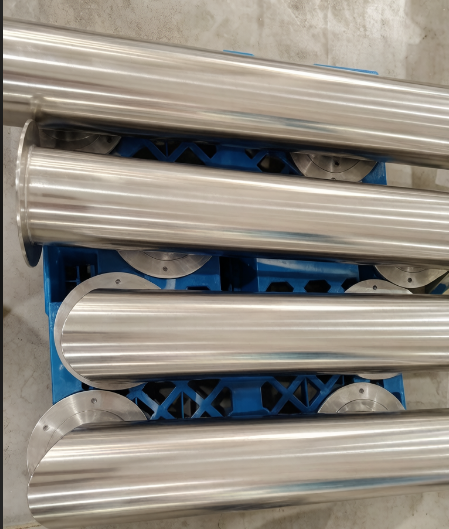
| 管道和管子 | 用于输送流体或结构用途的空心截面– | 化工厂或钻井平台中的管道、排气系统、扶手和结构部件– |
| 结构部分 | 标准型材如角钢、工字钢和槽钢– | 建筑、桥梁、设备支架和平台支撑的框架– |
| 轮廓和修整 | 定制或标准形状,通常具有精致的表面处理,用于特定设计功能– | 家具框架、遮阳系统、门窗框架和装饰线条– |
🎯 从商业厨房到摩天大楼:主要应用
These basic forms are then transformed into products for a huge variety of industries:
🏭 Industrial & Heavy Machinery
In this sector, stainless steel is chosen for its ability to withstand harsh conditions.
-
Chemical & Petrochemical: Used in processing equipment, storage tanks, and piping systems–.
-
Pharmaceutical & Medical: Ideal for surgical instruments, hospital equipment, and drug manufacturing vessels due to its cleanable, non-reactive surface–.
-
General Industry: Found in mining machinery, pumps, valves, and components that demand high strength and durability–.
🚗 Automotive & Aerospace
Here, a combination of strength, formability, and weight savings is key.
-
Automotive: Used extensively in exhaust systems, trim, and structural components. Importantly, stainless steel has become a critical material for EV battery manufacturing–.
-
Aerospace: Employed for high-performance parts in engines and airframes that must resist extreme temperatures and stresses–.
🏗️ Architecture, Building & Construction
This is a major market, where both the functional and aesthetic properties of stainless steel are on full display.
-
Structural & Exterior: Used for roofing, curtain walls, handrails, and cladding on iconic buildings (like the Trump Tower)–. Its low maintenance and long life make it ideal for bridges and infrastructure–.
-
Interior & Design: From elevator panels and staircases to swimming pool liners and stylish sculptures, it provides a modern, clean look–.
🍽️ Food & Beverage (F&B) and Kitchen Equipment
This is where stainless steel truly shines, thanks to its hygiene, easy cleaning, and non-reactive surface–.
-
Commercial Kitchens & Processing: All surfaces, tables, sinks, and equipment, from extractor hoods to massive processing tanks for beer, wine, and dairy, are made of stainless steel–.
-
Consumer Goods: High-quality cookware sets, like Hestan’s ProBond Luxe range, use tri-ply clad stainless steel for superior heat distribution and warp resistance–. It’s also the material of choice for lunch boxes and drink bottles.
🏥 Medical & Healthcare
The material’s ability to be sterilized and its resistance to corrosion from harsh chemicals are critical here.
-
Surgical Tools: Instruments like scalpels and forceps are often made from martensitic grades, which can be heat-treated for exceptional hardness.
-
Equipment: Hospital beds, IV poles, and sterile workstations rely on stainless steel for durability and hygiene–.
🏠 Consumer Goods & Everyday Items
Beyond the kitchen, stainless steel finds its way into many household and commercial products.
-
Appliances: The exterior (and many internal parts) of refrigerators, washing machines, microwaves, and ovens are often stainless steel–.
-
Marine: In yachts and boats, highly corrosion-resistant grades like 316 are used for winch components, railings, and fixtures–.
-
Scenery & Art: Its durability makes it a favorite for public art, sculptures, and modern design elements–.
🔩 A Quick Guide to Common Stainless Steel Grades
The “stainless” part of stainless steel comes mainly from chromium, but the specific grade determines its suitability for different applications.
| Grade (AISI) | Key Characteristics | Typical Applications |
|---|---|---|
| 304 / 304L | General-purpose austenitic grade; excellent corrosion resistance and formability; very easy to weld– | Most common uses: kitchen equipment, tanks, piping, automotive trim, and architectural applications–. |
| 316 / 316L | “Marine grade”; contains molybdenum for superior corrosion resistance, especially against chlorides (salt)– | Coastal architecture, chemical processing equipment, boat fittings, and food processing environments–. |
| 430 | Ferritic grade; good corrosion resistance but lower formability; no nickel content makes it less expensive– | Dishwashers, washing machine drums, and some lower-cost interior architectural trims–. |
| 200 Series | Austenitic alternative with lower nickel content; lower corrosion resistance– | Indoor non-critical items like some sinks, cutlery, and water tanks–. |
| 420 | Martensitic grade; can be heat treated for high hardness and strength– | High-temperature applications, medical devices, cutting tools, and some pump shafts–. |
⚙️ The Journey from Raw Material to Finished Product
Creating a stainless steel product is a sophisticated two-stage process.
Phase 1: Steelmaking
📈 What are the Market Trends for Stainless Steel Products?
The global market for stainless steel is substantial and growing, valued at around $152-171 billion in 2025 and forecasted to grow steadily over the next decade–. This growth is being driven by a few key trends:
-
Asian Market Dominance: The market is seeing a “global realignment” with Asia, particularly China, as a major driver, accounting for approximately 86% of global production–.
-
Key Sectors: The construction, automotive, and manufacturing industries are the primary engines of demand–.
-
电动汽车因素:电动汽车行业的迅速扩展正在为专门的不锈钢产品创造显著的新需求,特别是用于电池制造–。
-
可持续性:不锈钢 100%可回收 这一事实对于所有行业来说正变得越来越重要的销售点–.