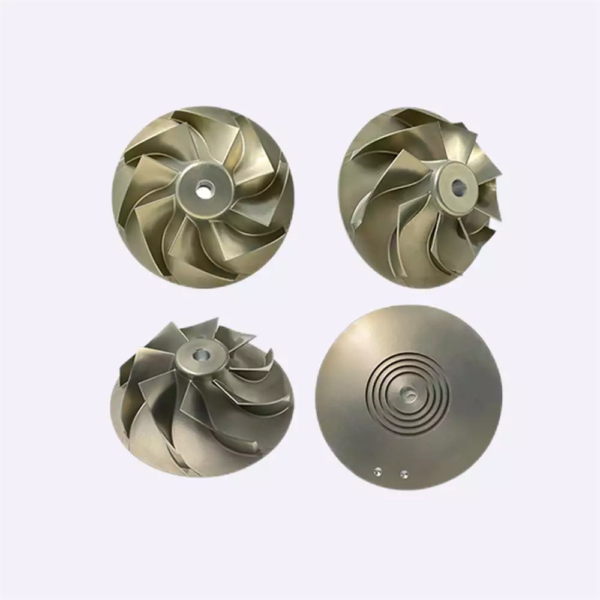
laser welding machine

Whatsapp
×

8 + 9 = ?

🔍 What Is a CNC Laser Welding Machine?

laser welding machine is a precision joining system that uses a high‑energy laser beam as the heat source to melt and fuse materials. Compared to traditional welding (e.g., TIG), laser welding is much faster, produces a very small heat‑affected zone (HAZ), creates clean seams, and is easy to automate.


⚙️ Working Principle & Key Technologies

Two core process modes

Mode Characteristics 应用
Heat conduction welding Low power density; heat penetrates only by conduction – shallow penetration. Thin sheets, precision welding.
Deep penetration (keyhole) welding High power density; material vaporises, forming a “keyhole” for deep, fast welds. Thicker materials, high‑strength joints.

Breakthrough technologies

  • Beam oscillation (wobble) – The laser beam moves in a controlled circular or figure‑eight pattern. This widens the weld, reduces porosity (especially in aluminium), and improves joint quality.

  • Galvo scanner welding – A high‑speed scanning mirror moves the beam very quickly across the workpiece – ideal for micro‑welding and high‑throughput applications.

Main components

组件 Function
Laser source Generates the laser beam (fiber, YAG, diode, etc.) – the “heart” of the system.
Welding head & optics Focuses and directs the beam onto the workpiece.
CNC controller Executes the welding program – the “brain”.
Chiller / cooling system Maintains stable temperature for the laser source.
Worktable / robot Positions and moves the workpiece or the welding head.

🔩 Three Main Types of Laser Welding Machines

Type Key features Best for
Handheld laser welder Flexible, easy to learn, 5‑10x faster than TIG, no size limit. Sheet metal, kitchen equipment, cabinets, signage, repair work – small batches, many different parts.
Robot laser welding cell Fully automated welding head on an industrial robot – precise 3D paths. High‑volume production: automotive parts, EV battery modules, 3C electronics.
Galvo laser welder Beam moves by high‑speed mirrors (“flying welding”) – extremely fast, very precise. Micro‑electronics, medical devices, sensors, mass‑production of small components.

✅ Advantages & Challenges

Advantages

  • High speed – 5‑10x faster than TIG welding.

  • Very small HAZ – Low heat input, minimal distortion – ideal for thin sheets.

  • Clean weld seam – Often requires no post‑weld finishing.

  • Easy automation – Integrates with robots and production lines.

  • Non‑contact process – No tool wear; can reach difficult areas.

Challenges

  • High initial cost – Much more expensive than traditional welding equipment.

  • Material limitations – Reflective metals (aluminium, copper) require higher power or special wavelengths (green, blue laser).

  • Tight fit‑up required – Joint gaps typically must be <0.1 mm for best results.


🎯 Main Applications

Industry Typical parts welded
🚗 Automotive EV battery tabs, busbars, explosion‑proof valves, car body parts, gears, sensors.
🔋 EV / Battery Lithium‑ion cell tabs, modules, PACK assemblies – critical for electric vehicles.
📱 Electronics Phone frames, PCBs, sensors, relays, TWS battery cases – micro‑welding.
🏥 Medical Surgical instruments, pacemakers, dental implants – high cleanliness & precision.
✈️ Aerospace Superalloy engine parts, lightweight structural components.

📝 How to Choose a Laser Welding Machine – 4 Key Steps

1. Define your material and thickness

  • Material type: Steel, stainless steel, aluminium, copper, etc.

  • Thickness range: Thin sheet (<2 mm), medium (2‑5 mm), or thick (>5 mm).

Important – Aluminium and copper are highly reflective and conductive. They require higher power than steel for the same thickness.

2. Choose laser power – practical guide

Material thickness Recommended laser power Typical applications
< 2 mm 500 W – 1500 W Thin sheet, precision hardware, electronics
2 – 5 mm 1500 W – 3000 W General sheet metal, cabinets, auto parts
5 – 10 mm 3000 W – 6000 W Medium plates, structural components
> 10 mm > 6000 W Thick plate deep welding (consider cost vs. efficiency)

3. Decide on automation level

  • Handheld – flexible, low volume, many part types.

  • Galvo (scanning) – very fast, small parts, high volume.

  • Robot cell – large parts, complex 3D seams, mass production.

4. Check brand, testing & support

  • Ask for sample welding tests on your actual parts.

  • Verify after‑sales service, spare parts availability, and training.

  • Reputable brands include IPG, TRUMPF, Raycus, Maxphotonics (laser sources) and integrated system suppliers like Han’s Laser, Bodor, Senfeng, HG Tech, etc.


💎 Laser Welding vs. TIG (Argon) Welding

Feature Laser Welding TIG Welding
Speed 5‑10x faster Slow
Heat input Very low – minimal distortion High – parts can warp
Weld finish Clean, often no post‑work May require grinding/polishing
Automation Easy to automate Manual skill dependent
Equipment cost High initial investment Low
Material fit‑up Requires tight gaps (<0.1 mm) More tolerant of gaps
Best for Thin sheets, high precision, high volume Thick plates, repair work, low budget