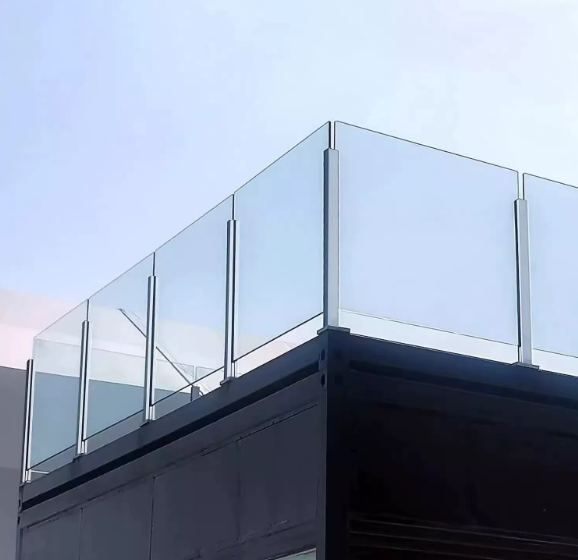
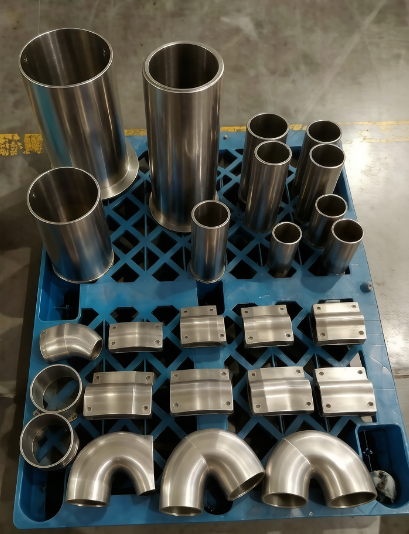
Stainless Steel cutting

Whatsapp
×

8 + 3 = ?

📊 Cutting Methods at a Glance

Here is a comparison table of the four primary methods for stainless steel:-32-22

Method Precision Cost Heat Affected Zone (HAZ) Best For
⚡Laser Cutting High Medium Minimal (small) Thin to medium sheets, complex shapes, food-grade applications, architectural components
💧Waterjet Cutting Very High High None Heat-sensitive materials, very thick plates, premium quality, any material
🔥Plasma Cutting Moderate Low High Thick plates, structural parts, fast rough cuts
✂️Mechanical Cutting Low Low None Straight cuts, simple shapes, bulk cutting, small workshops

🔬 Detailed Analysis of the Four Primary Methods

⚡ Laser Cutting – The Precision Standard for Stainless Steel

Laser cutting is considered the most precise method for stainless steel, delivering tight tolerances and exceptionally clean edges [4†L17-L21][9†L26-L30]. There’s a critical distinction in technology: Fiber lasers have largely replaced CO₂ lasers for metal cutting due to their superior electrical efficiency, lower maintenance, and better absorption of the laser beam by the material [0†L6-L8].

Key Details:

  • Thickness Range: Best for thin to medium sheets, approximately ≤ 25 mm (1 inch) [8†L29-L30].

  • Common Materials: All stainless steel grades. However, 316L demands more effort than 304, requiring 5–10% higher gas pressure 和 5–15% lower cutting speeds due to its molybdenum content [1†L6-L9][7†L4-L6].

  • Edge Quality: Typically bright silver, but requires high-purity nitrogen assist gas (≥99.995%) to prevent oxidation and discoloration [7†L10-L12][6†L44-L45].

The molybdenum in 316L increases the viscosity of molten metal, making it harder to eject from the cut (kerf). This necessitates the higher gas pressure adjustments [7†L28-L30].

💧 Waterjet Cutting – The Cold-Cutting Champion

This method uses a high-pressure stream of water mixed with abrasive garnet to erode the material through mechanical force. It introduces zero heat, meaning it creates no heat-affected zone (HAZ) or thermal distortion [4†L37-L38][8†L33-L34].

Key Details:

  • Thickness Range: Unlimited practical capacity. Can cut very thick plates, typically up to ≥ 150 mm (6 inches) and beyond [8†L29-L30][5†L22-L23].

  • Edge Quality: Smooth, burr-free, and maintains the material’s structural integrity perfectly [4†L38-L39].

  • Primary Drawback: Significantly slower than thermal methods, and has higher operational costs due to abrasive consumption [4†L39-L40][8†L38-L39].

🔥 Plasma Cutting – The Speed for Heavy Plates

Plasma is ideal for quickly cutting thick stainless steel plates where ultimate precision and a perfect edge finish are not critical. The process creates a rougher cut edge that often requires secondary grinding or machining [4†L31-L32][9†L32-L34].

Key Details:

  • Thickness Range: Medium to thick plates, typically 10 mm to 50 mm (up to 2 inches) [8†L30-L31].

  • Primary Drawback: Produces a significant heat-affected zone, which can alter the metal’s properties along the cut edge [4†L31-L32][9†L32-L33].

✂️ Mechanical Cutting – The Workshop Mainstay

These methods use physical force to shear the material. While low-cost and straightforward, they are prone to creating burrs and causing work hardening if tools are not perfectly sharp and feed is not consistent [4†L56-L57][9†L22-L26].

Common Tools:

  • Shearing: For straight cuts on thin sheets.

  • Band Saws: For cutting bars, tubes, and structural shapes.

  • Angle Grinders: Versatile hand tool for small projects and straight cuts in material up to 5 mm [11†L12-L14].

  • Nibblers: Pneumatic or electric tools ideal for complex shapes and curves on thin sheets.

  • Tin Snips: For very thin sheets, typically under 1.5 mm [11†L11-L12].

As a rule of thumb, when using mechanical methods, use carbide-tipped or bi-metal blades, maintain a positive, consistent feed, and never stop mid-cut, as friction from a paused tool will instantly work-harden the material and make it impossible to cut further.

🎯 How to Choose: A Thickness-Based Guide

The material thickness is the single most practical factor in selecting a cutting method-32.

Thickness Best Choice Alternative
Thin (≤ 3 mm) Laser Cutting – Unmatched precision and speed, smooth edges with minimal finishing. Mechanical: Shears, nibblers, or tin snips for low-volume, low-cost work.-32-30
Medium (3 – 10 mm) Laser Cutting – Remains optimal, balancing speed and edge quality. Waterjet (when zero HAZ is critical) or a high-quality plasma cutter for less critical edges.-32
Thick (10 – 50 mm) Plasma Cutting – Fast and cost-effective for heavy sections. Waterjet (for premium, heat-free edge quality) or Fiber Laser (on thinner end of this range).-32
Very Thick (> 50 mm) Waterjet Cutting – The only practical method that maintains edge quality and material integrity. Laser is generally not effective or economical.-32

🧪 A Brief Guide to Common Stainless Steel Grades

  • 304 (General Purpose): The most common grade. Good corrosion resistance and formability. It is the baseline for cutting parameters-30.

  • 316 (Marine Grade): Contains molybdenum for superior corrosion resistance but is more difficult to cut than 304-30.

  • 316L (Low Carbon): Requires 5-10% higher gas pressure and 5-15% slower cutting speed than 304 for optimal results-11.

  • 430 (Ferritic): A non-hardenable grade that is generally easier to machine than austenitic grades like 304-5.

  • Duplex (Lean & Standard): These are very high-strength, high-hardness grades that demand specialized tooling and handling, as standard parameters will lead to rapid tool wear-5.

📝 8 Key Tips for Clean Cuts

  1. Use Sharp, Appropriate Tools: Always use tools designed for stainless steel. Dull tools increase friction and work hardening-30.

  2. Control Heat Generation: Excessive heat is the enemy. Laser & plasma cutters produce heat, waterjet does not. For mechanical cuts, use coolants or lubricants [6†L41-L48].

  3. Maintain Consistent Feed: Do not pause or let the tool rub against the material; a positive, continuous feed prevents work hardening.

  4. Select Correct Laser Parameters: For fiber lasers, use high-purity nitrogen (>99.995%), a negative focus offset, and a clean nozzle for optimal cut quality and edge finish-11.

  5. Secure the Workpiece Firmly: Any movement can cause jagged edges, misalignment, or dangerous kickback [6†L48-L53].

  6. Match Method to End-Use: Consider if a heat-affected zone (HAZ) will impact corrosion resistance for your application.

  7. Always Use Proper PPE: Wear safety glasses, a face shield for grinding/plasma, cut-resistant gloves, ear protection, and flame-resistant clothing-31.

  8. Ensure Proper Ventilation: Cutting stainless steel produces harmful fumes and particulate matter; operate in a well-ventilated area or use a fume extractor-31.